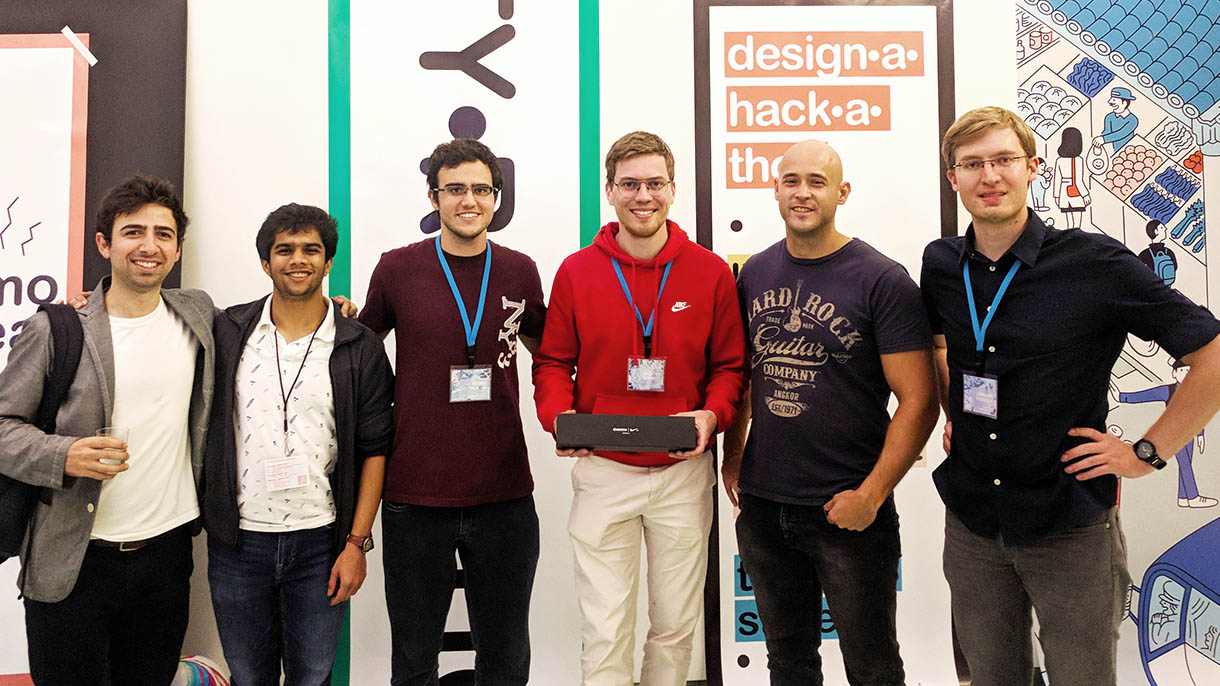
Collaborators
Steffen Schmidt, Lennart Husvogt, Daniel Stromer, Benjamin Villa Wiesner, Pedro Cardoso Vilaça
Role
One of the winning teams at Design.a.hack.a.thon hosted by MIT Media Lab + UCSD Design Lab
"Wouldn't it be cool if there was a way for package deliveries to be flexible with delivery times and drop off locations, AND ensure that packages were secure, WITHOUT adding to traffic congestion, AND the service be compatible with upcoming city policies, AND make it attractive for regulatory bodies to implement it?"
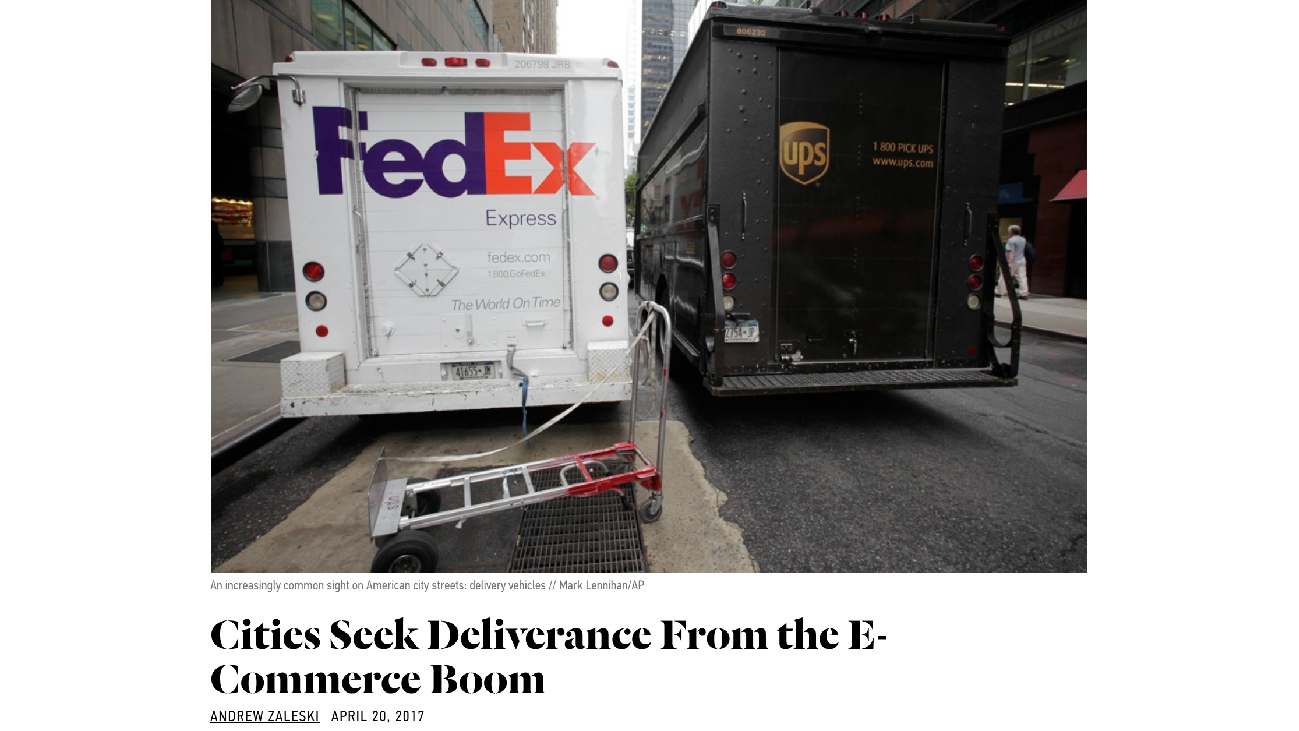
Last mile deliveries are riddled with problems like flexibility and security. Popular solutions like lockers and drones either add more vans to an already congested traffic system, or ask for massive changes in government rules and regulations in order to be implemented.
With more and more packages being delivered all over the world every single day, the picture of the near future looks rather bleak due to increased traffic and lack of clear regulations.
billion
packages
delivered globally in 2025
— Pitney Bowes, 2019
packages
stolen
— August home, 2016
In the United States, almost 16 billion packages will be delivered in 2020 as opposed to 11 billion in 2018, according to estimates from Strategy&, PwC’s strategy consulting business.
During the time of this project, the number of package delivered globally had gone up from 51 billion in 2015, 64 billion in 2016 to 74.5 billion in 2017. As per a 2019 study from the global technology firm Pitney Bowes, over 200 billion packages will be delivered in 2025, up from 74.5 billion in 2017 and 87 billion in 2018.
A 2016 report from August Home Inc estimates that 11 million homeowners lost their packages or received damaged goods in 2016 in the US alone. To put the importance of last mile experiences in perspective, according to a 2018 study by Convey, among the people surveyed, 74% prioritized the delivery most in an online shopping experience.
Our team was part of a three-day design hackathon at MIT Media Labs in September 2018. There were six of us, and my teammates were mostly engineers with little to no background of design. We researched together and often, sometimes out in the city or online. I facilitated our ideation and concept development phases, and made prototypes with my teammates. My approach was to use my teammate's strengths to simplify our ideas down to one concept, and then keep optimizing it until we reached a viable solution.
We were one of the six winning teams at this hackathon.
initial
interviews
site visits
After deciding that we wanted to solve the last mile challenge, we tried to gather as much information as quickly as possible due to time constraints of the hackathon. We compared how packages were delivered at our respective residences and countries, and looked up current policies, upcoming regulations, and industry trends which could affect the last mile delivery services.
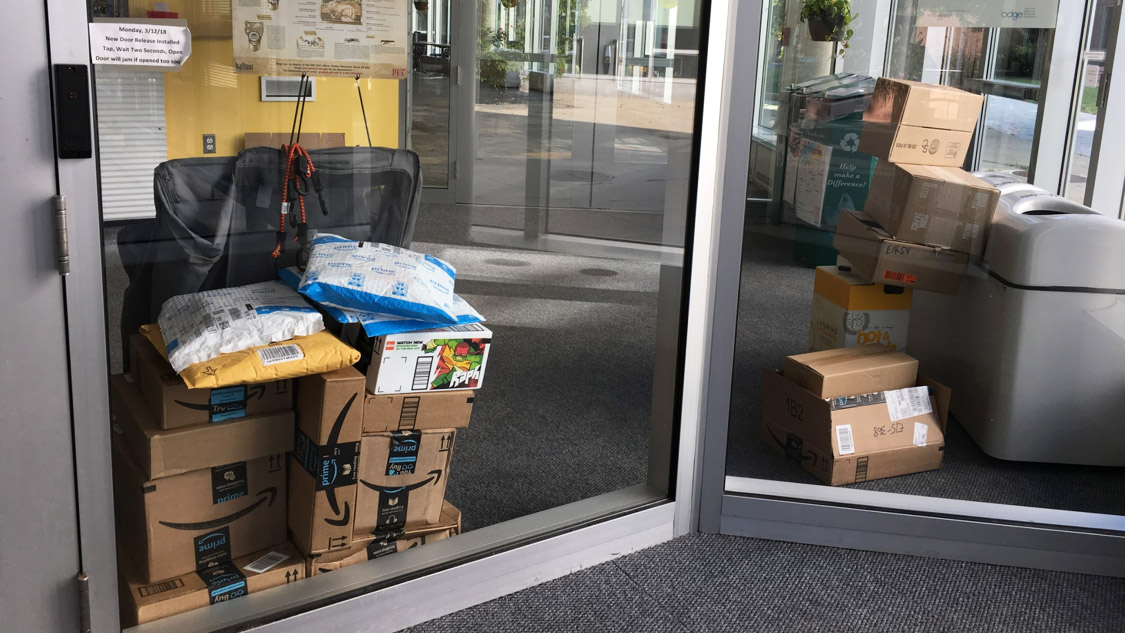
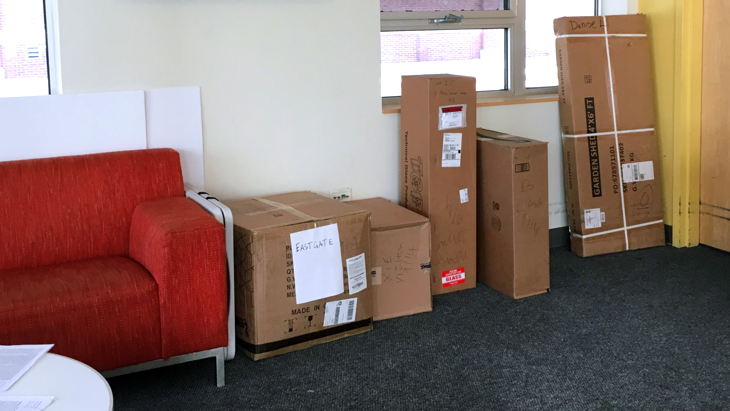
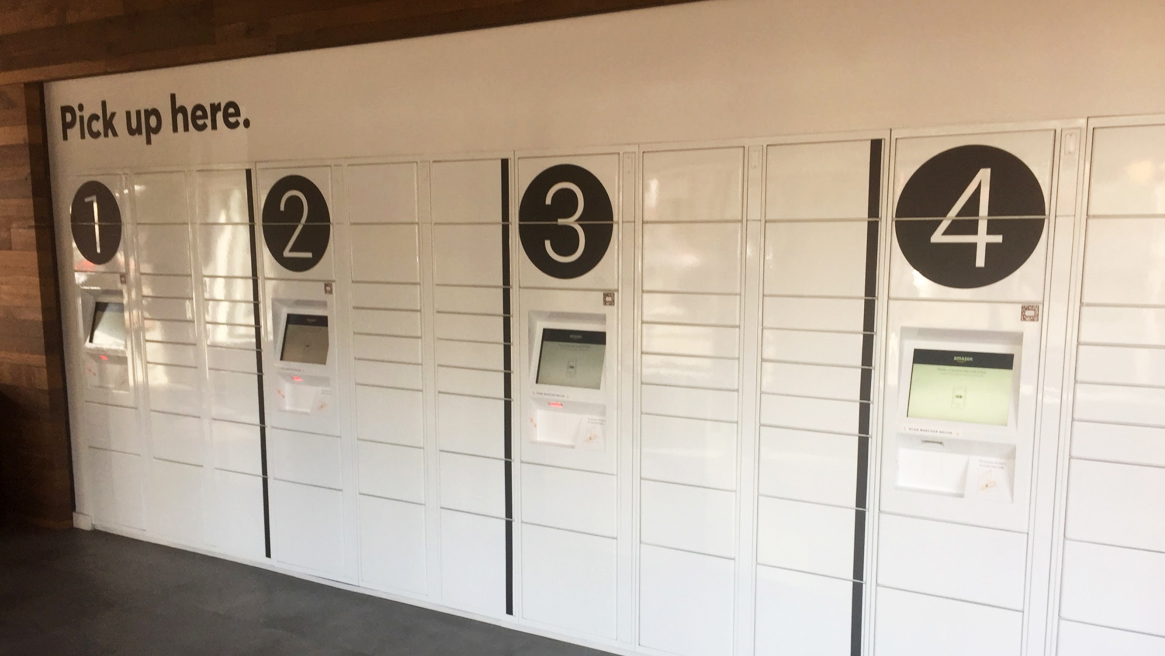
We also went out to one of our teammate's apartment building to see how packages are stored before residents pick them up.
Most of my teammates were expert engineers and did not have prior experience with design. From talking with my teammates and my background as an engineer, I understood the optimization based, solution driven thinking process which they were accustomed to. Having been on both sides of the fence between design and engineering, I decided to leverage their perspective and expertise to design in a manner which was a little different from the traditional design thinking process.
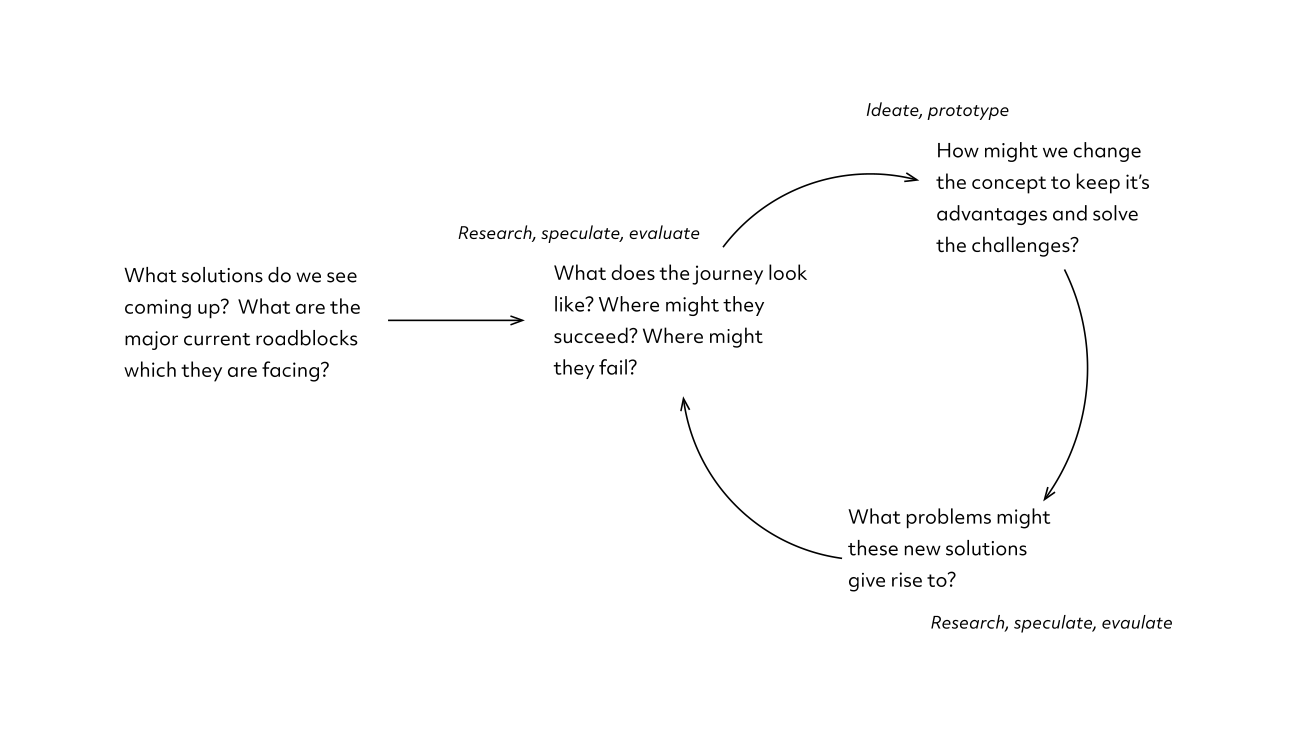
After talking with other participants and discussing amongst ourselves, drones came up to be the most popular word on everyone’s mind. The roadblocks which we found drones suffer from are battery problems, that powerful batteries are heavier and need more power to lift, which limits the distance to which drones can travel.
How might we reduce the distance that drones have to travel in order to reach their destination?
What if drones could hop on and off public transit vehicles?
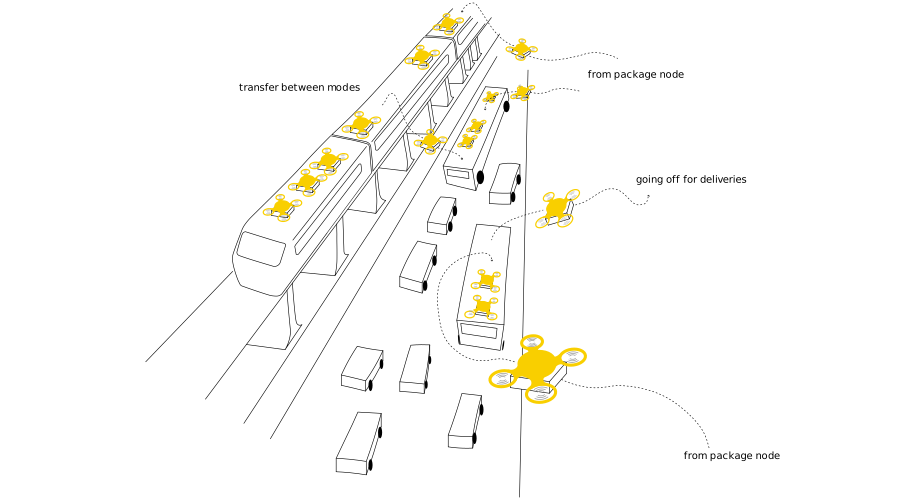
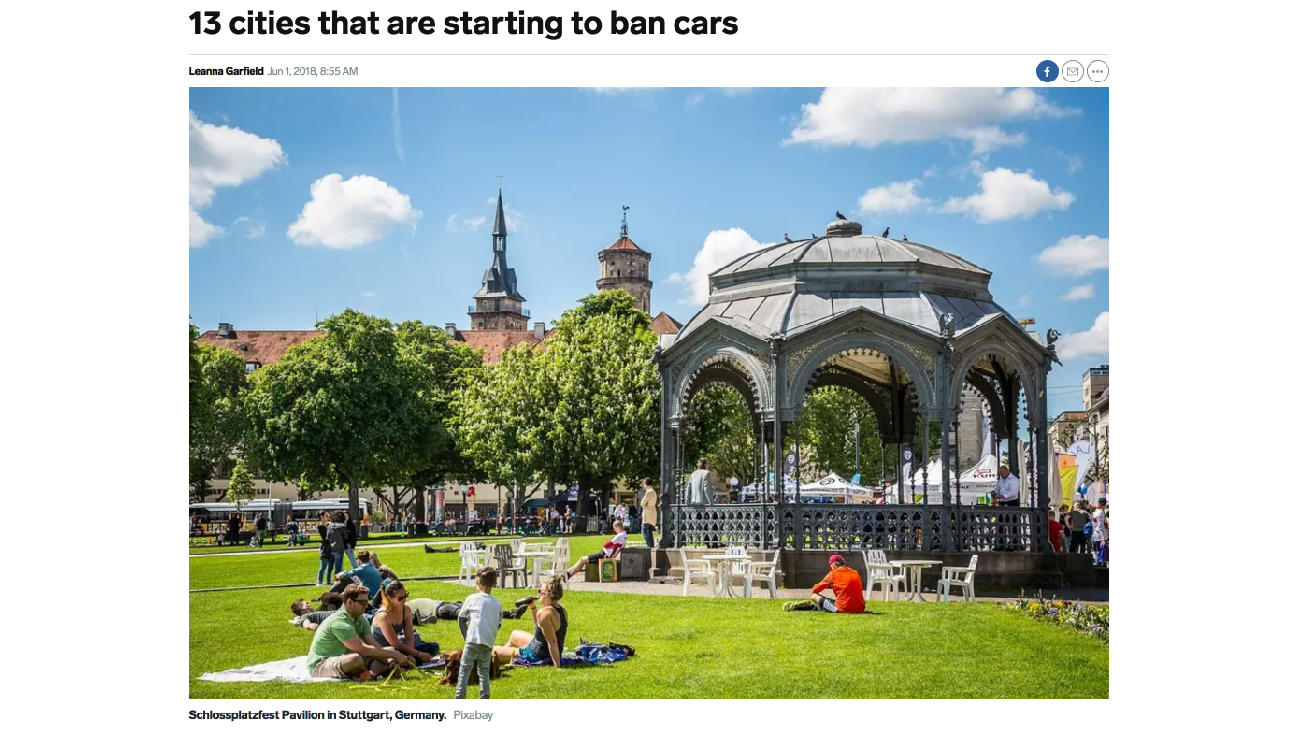
This solution was compatible with two future states- cities banning private cars from city centers and wanting to increase public transit usage, and with the fact that drones provided flexible deliveries.
But did that solve the problem?
Not really, it raised more questions than it answered.
But will governments allow drones in urban areas in the near future?
This system was problematic since it was unlikely that the FAA will permit companies to deliver packages via drones in the near future due to citizens' concerns regarding privacy and security. Moreover, failure rates of common drone parts like bearings make it dangerous for drones with packages to fly over populated areas.
How might we provide the same flexibility and convenience which drones would have provided without using drones?
Replacing drones with people, and creating a gig economy based service for package deliveries was the identified as the next best step. This new system could also potentially help build communities, especially during holidays and festivals, when an exponential increase in online orders could pave the way for people to meet their neighbors and wish them good health.
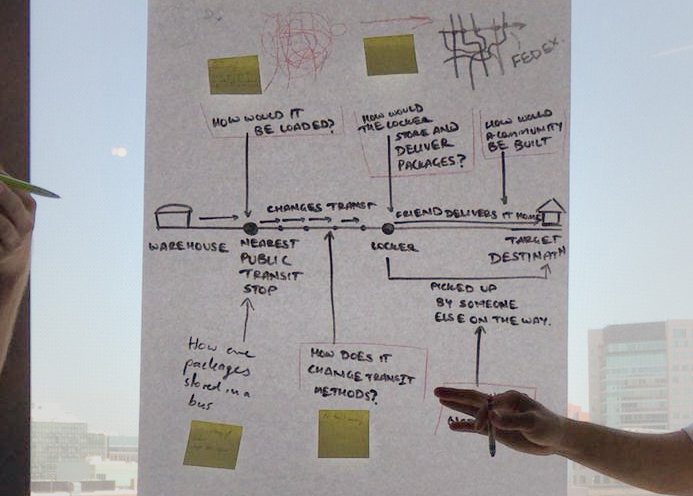
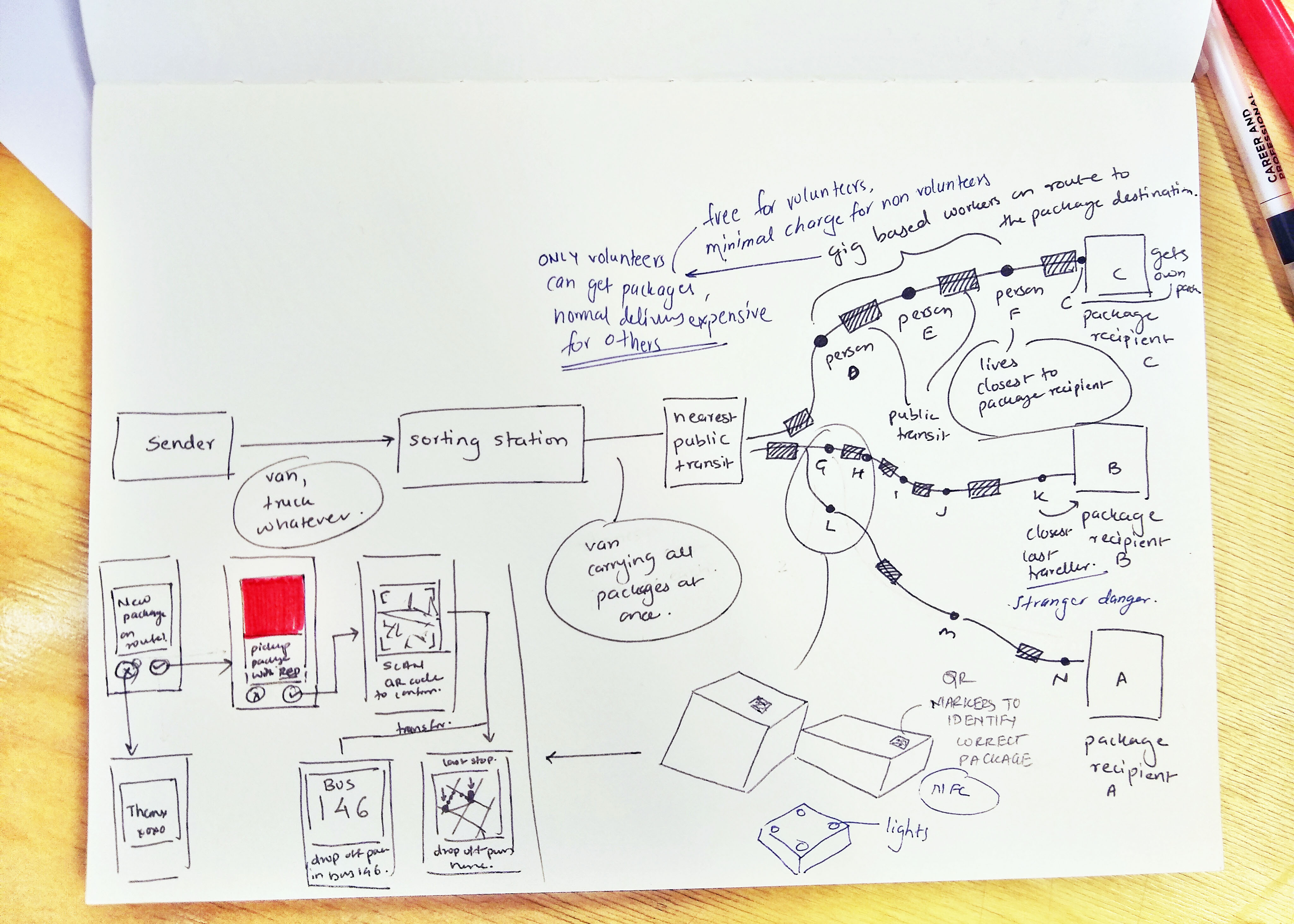
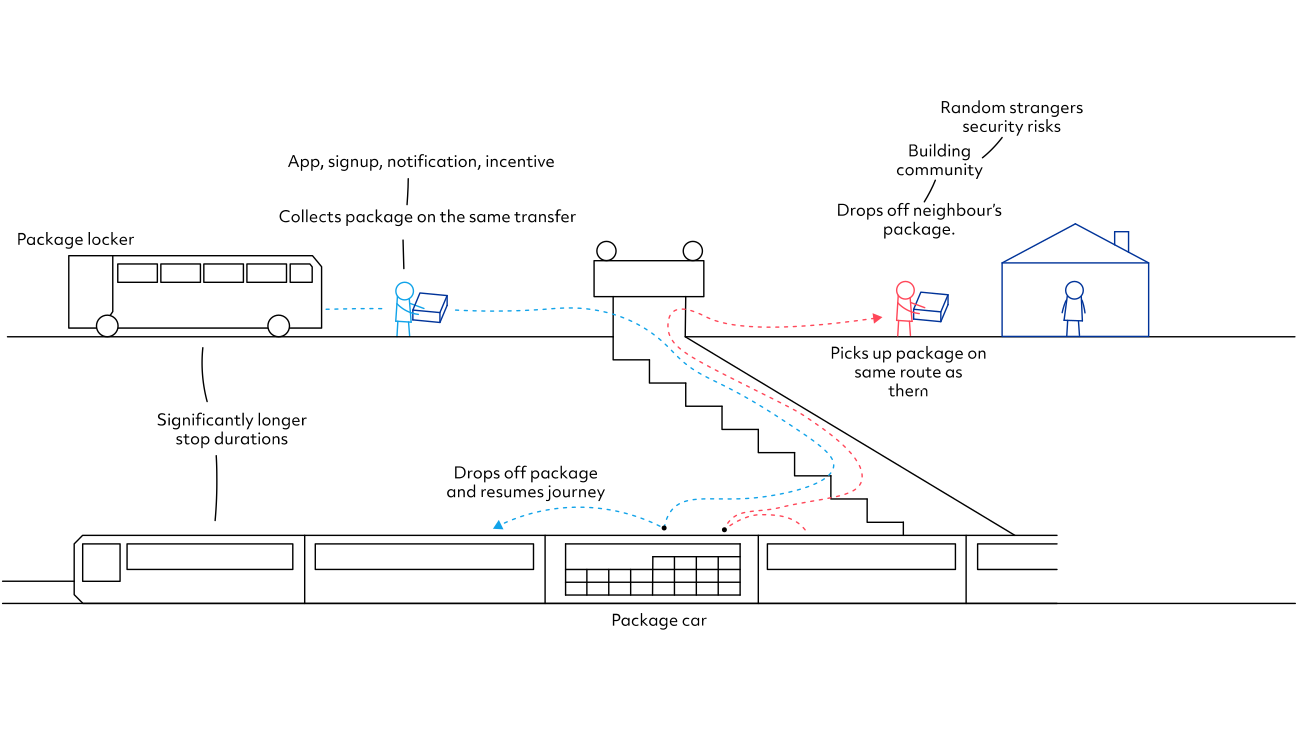
But what new problems did this create?
Security in the gig economy package delivery service would be complicated, with mandatory background checks and other measures to ensure safety of everyone involved. Additionally, trains and buses would need to stand still at stops for a lot longer, which would be a disservice to passengers.
How might we reduce the time required for loading and unloading packages?
We realized that taking transfers between multiple modes of transportation out of the equation, and only leveraging city wide bus networks was the perfect solution. This concept was prototyped through a stop-motion animation and wireframes of the user facing app.
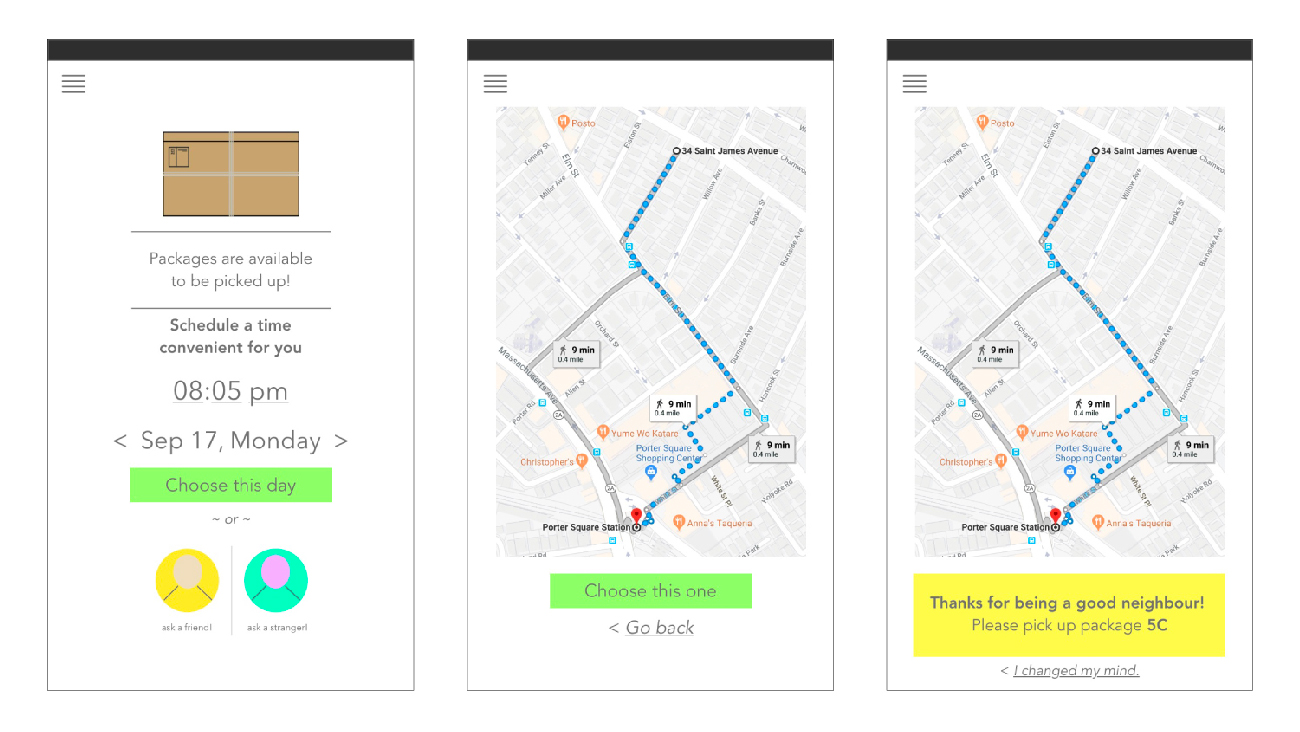
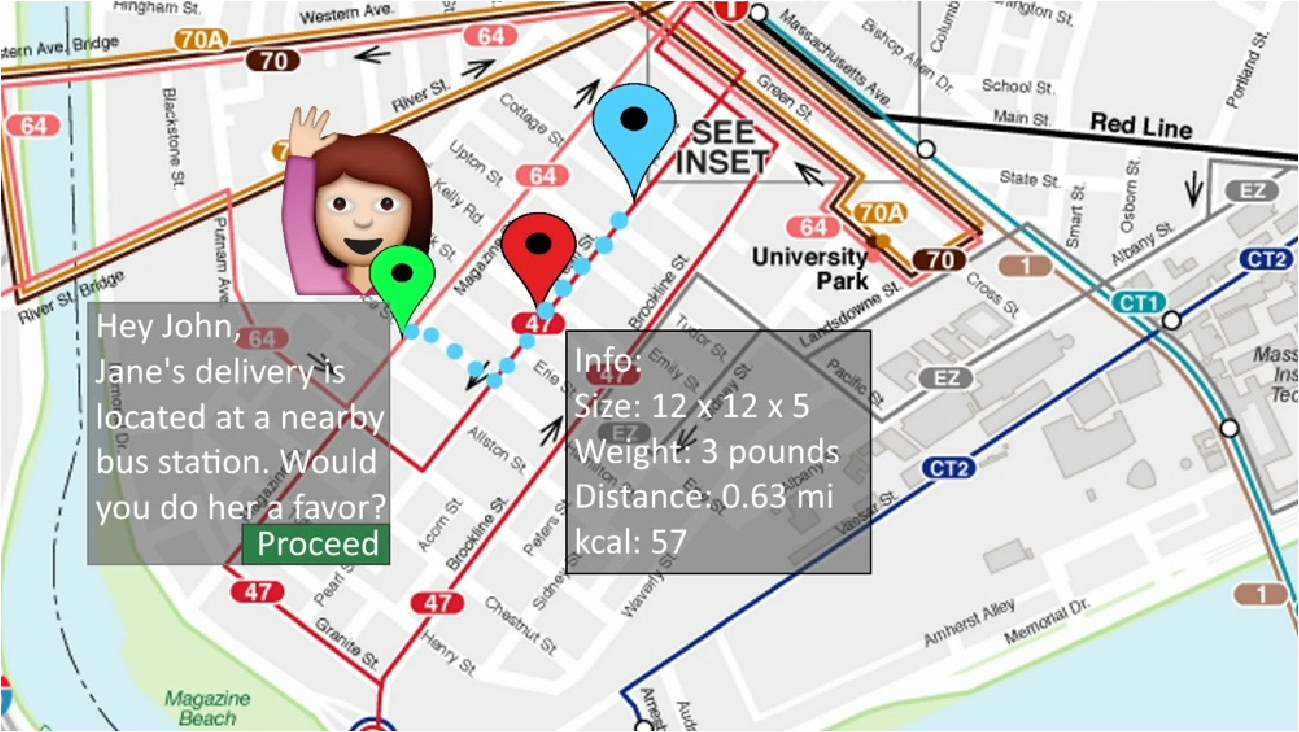
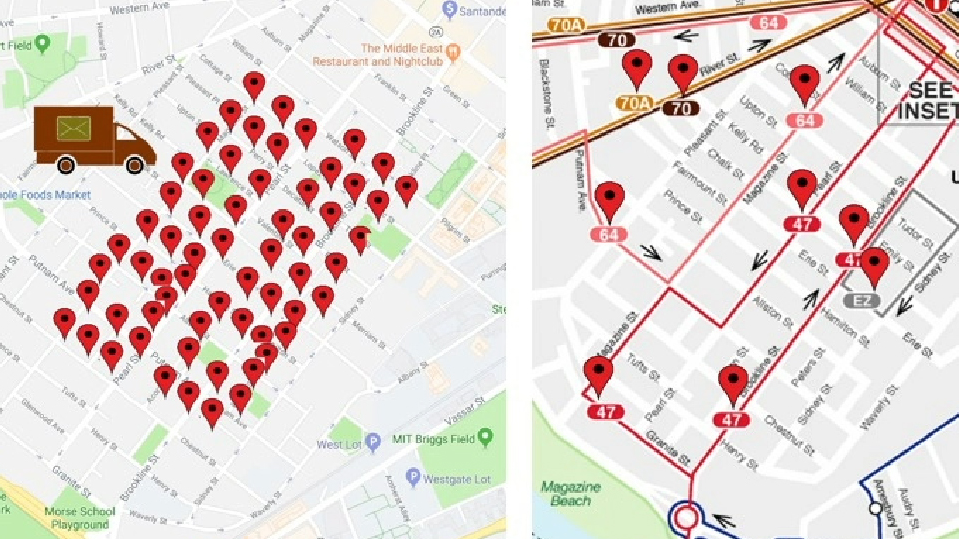
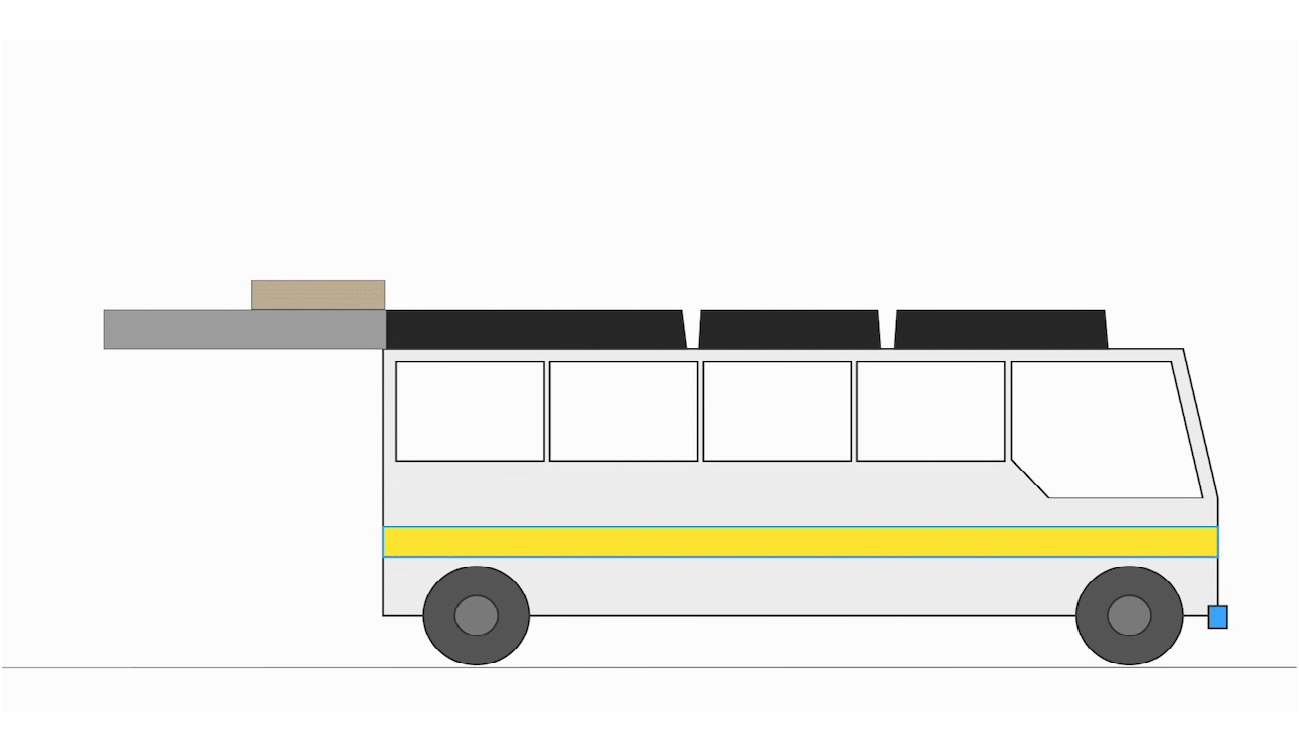
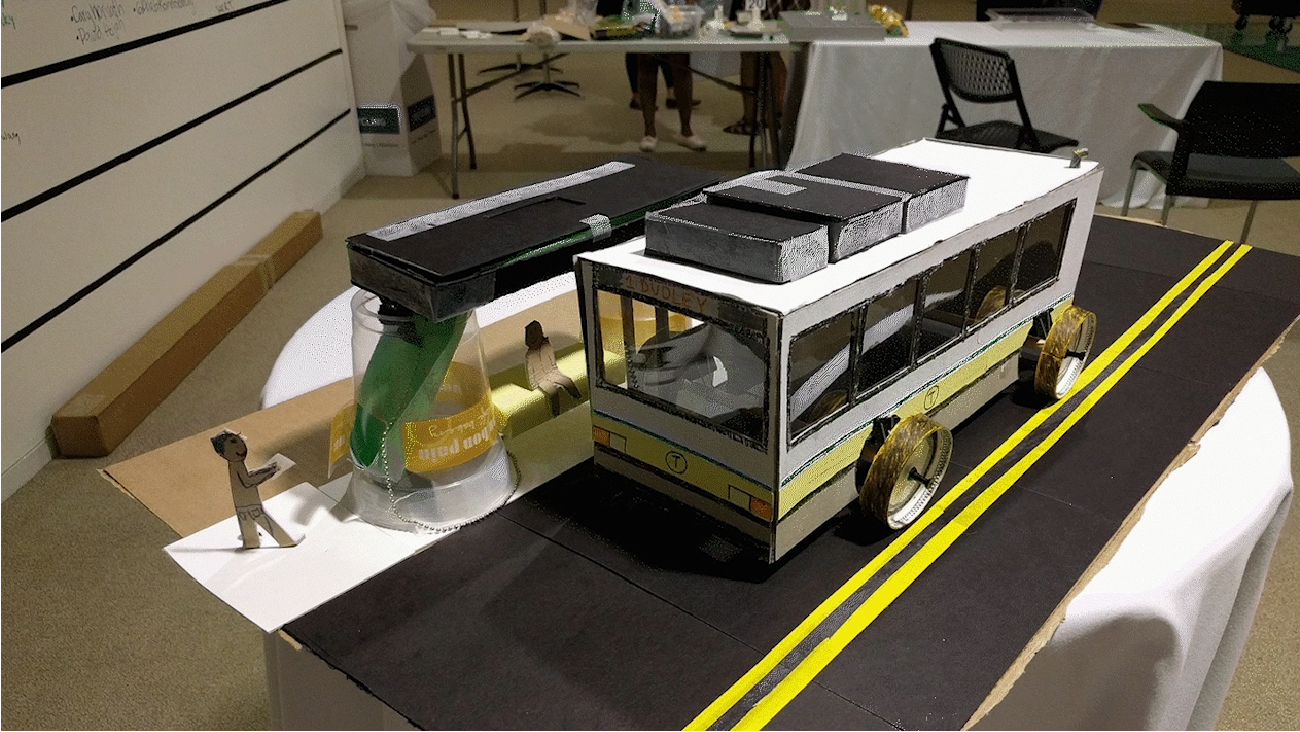
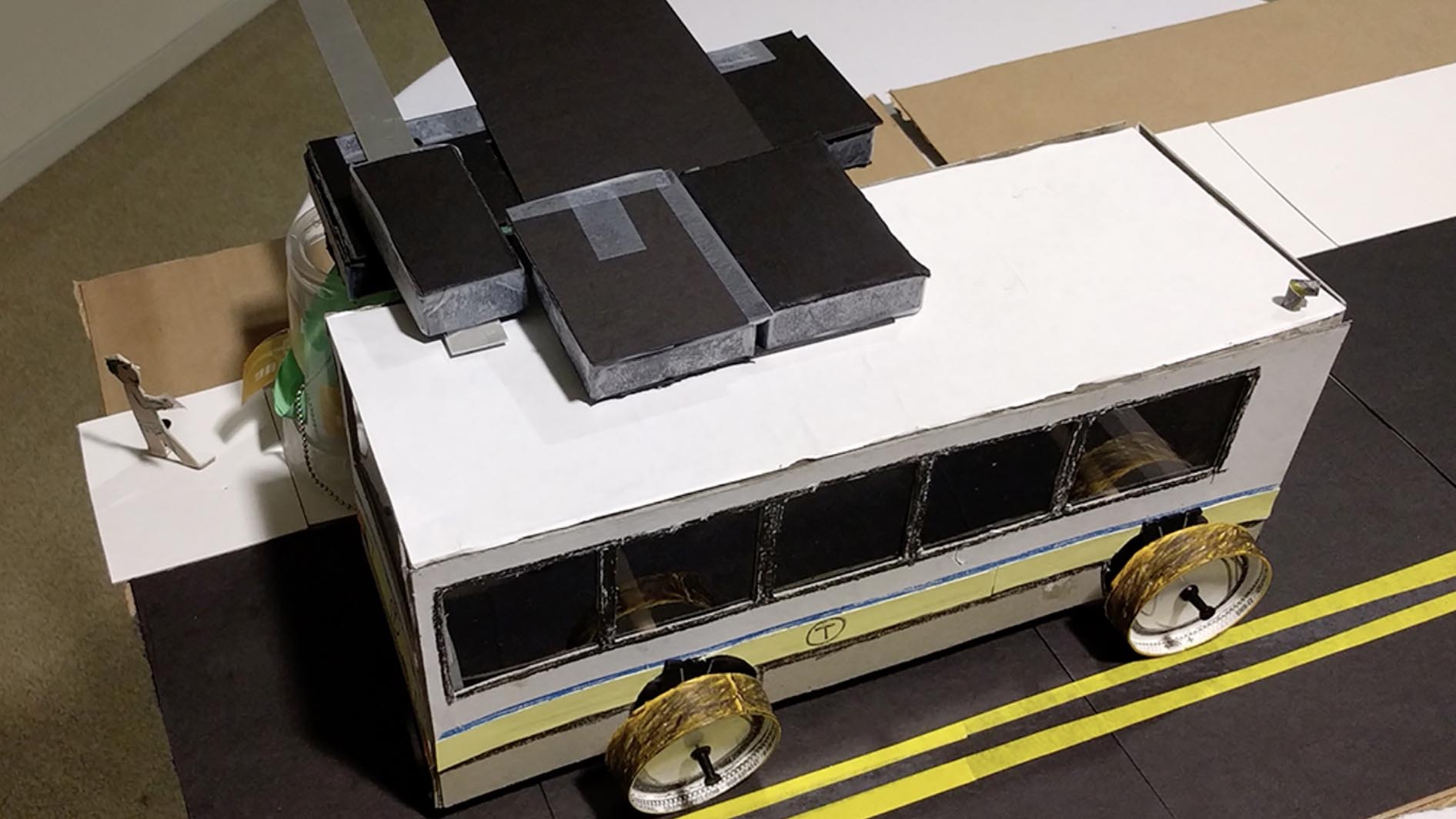
...the packages are unloaded using quick and simple existing solutions such as hydraulic mechanism
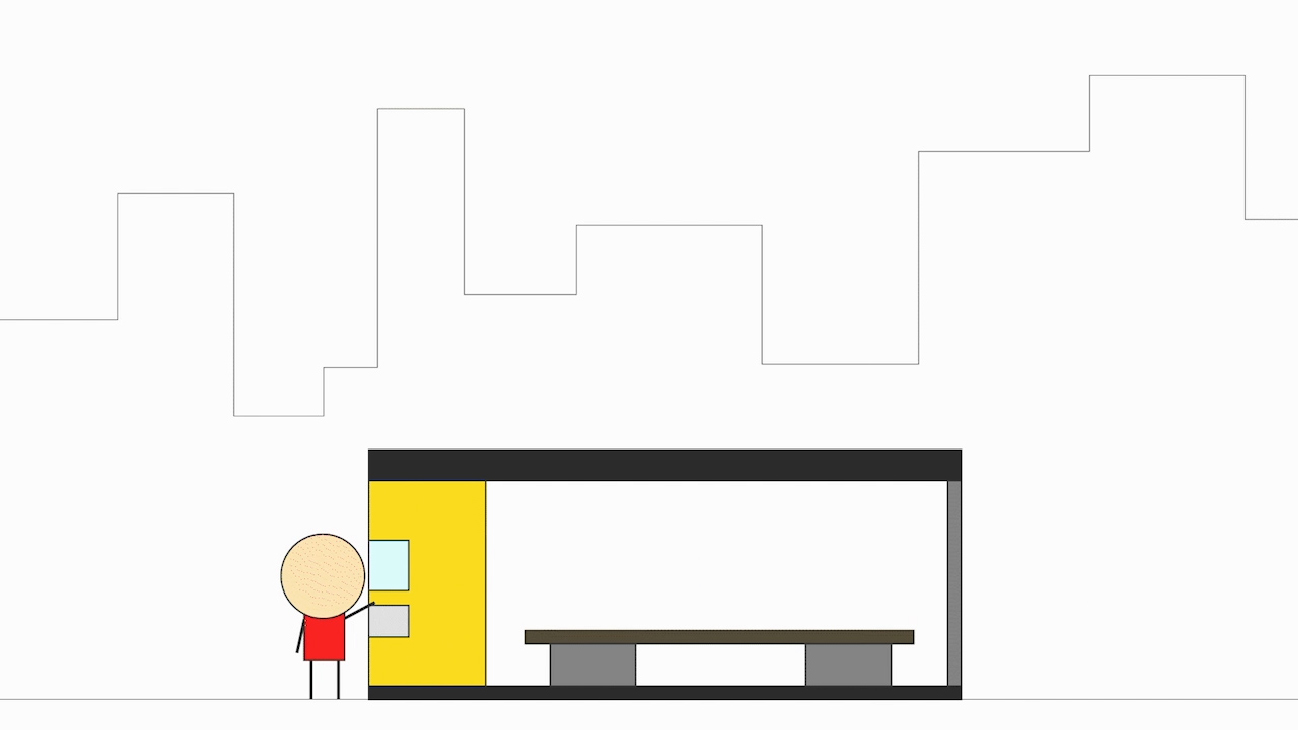
People picking up their package authenticate themselves at a kiosk on the bus stop, ...
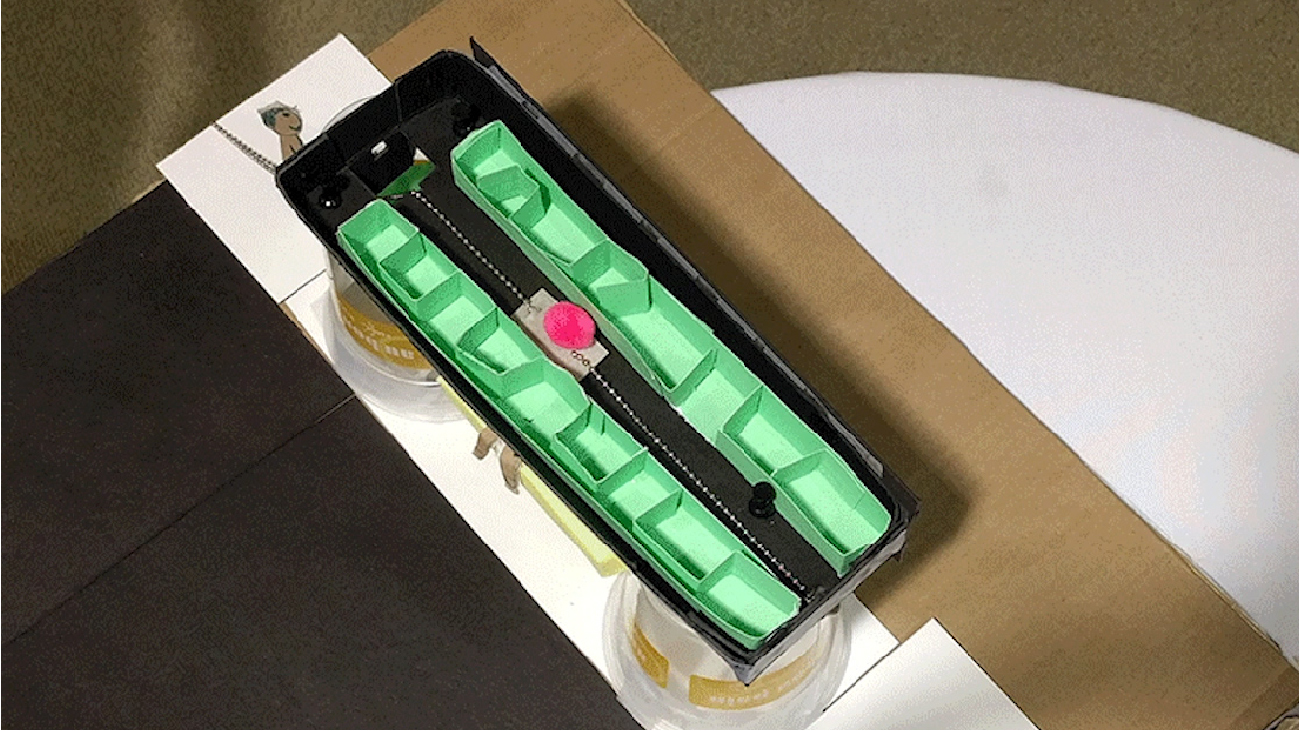
…after which their package is dispensed, …
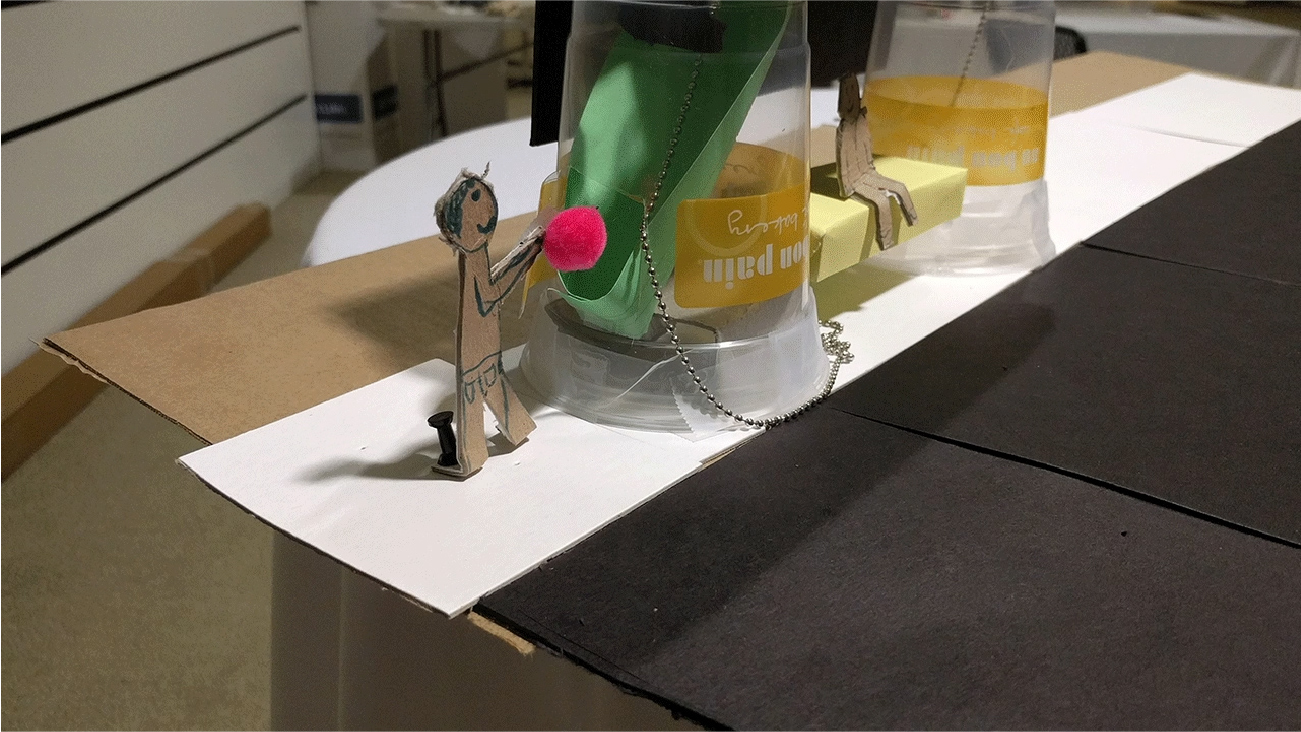
...and they go back happy!
feedback
interviews
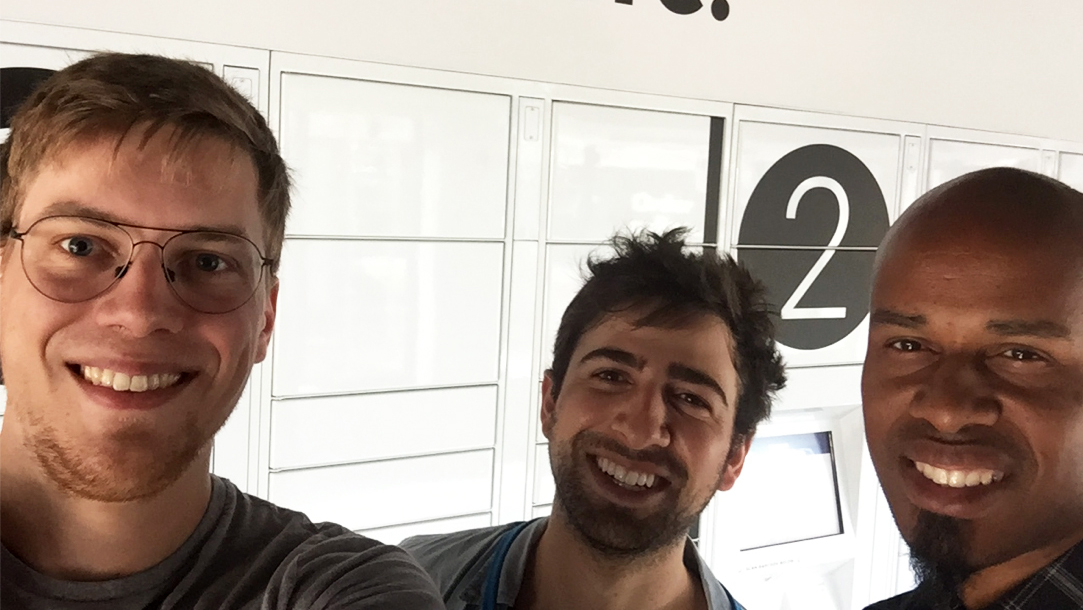
We showed our solution to the hackathon mentors and a few other teams and asked them for feedback. Since we wanted to add lockers to bus stops, we needed to understand what the experience of people currently using lockers was like. We interviewed the store manager at a nearby delivery pick-up locker store and a few of the customers who were using the store.
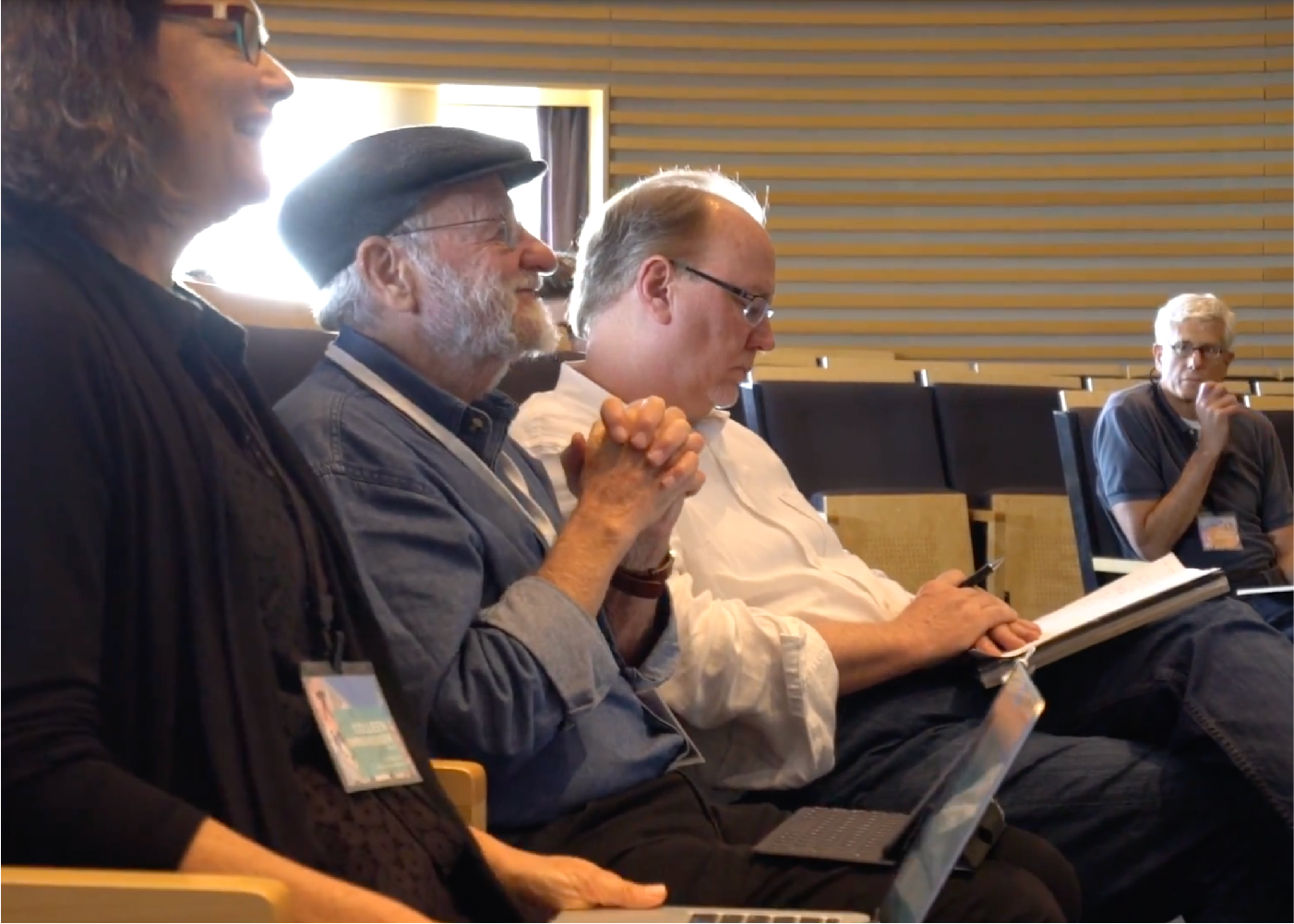
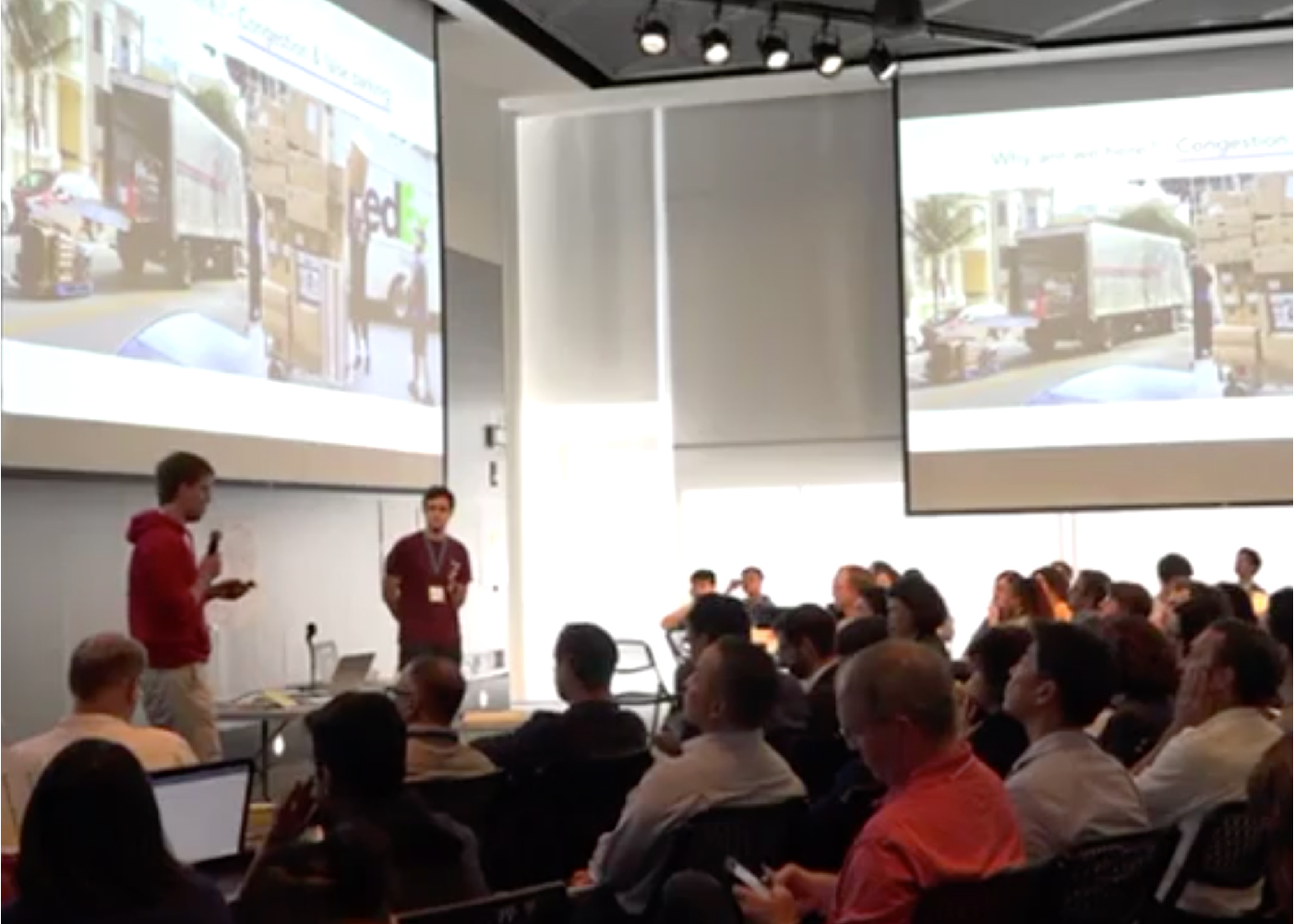
Semifinal presentations judging panel
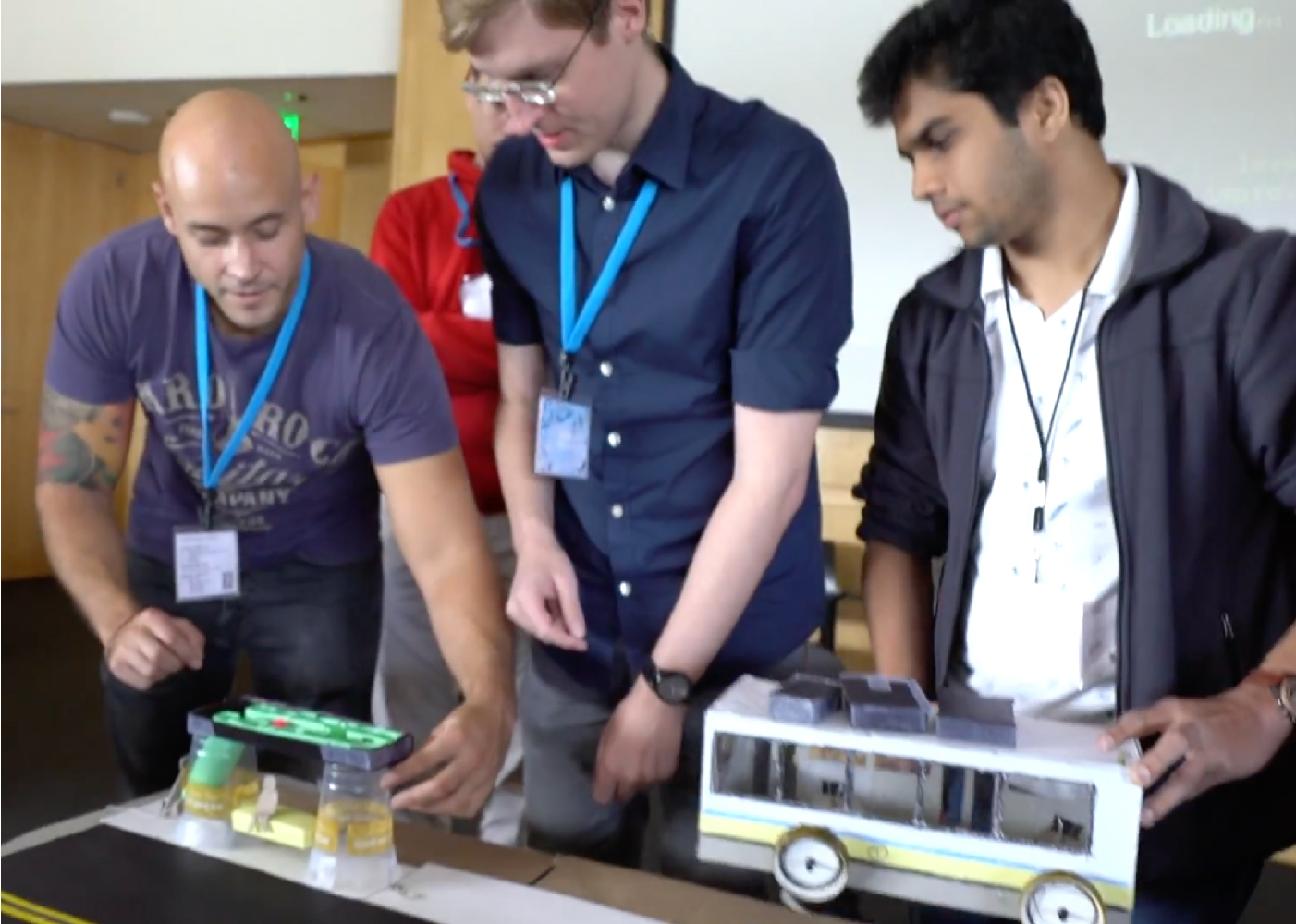
Daniel (L), Lennart (C), and I (R), presenting our stop-motion model
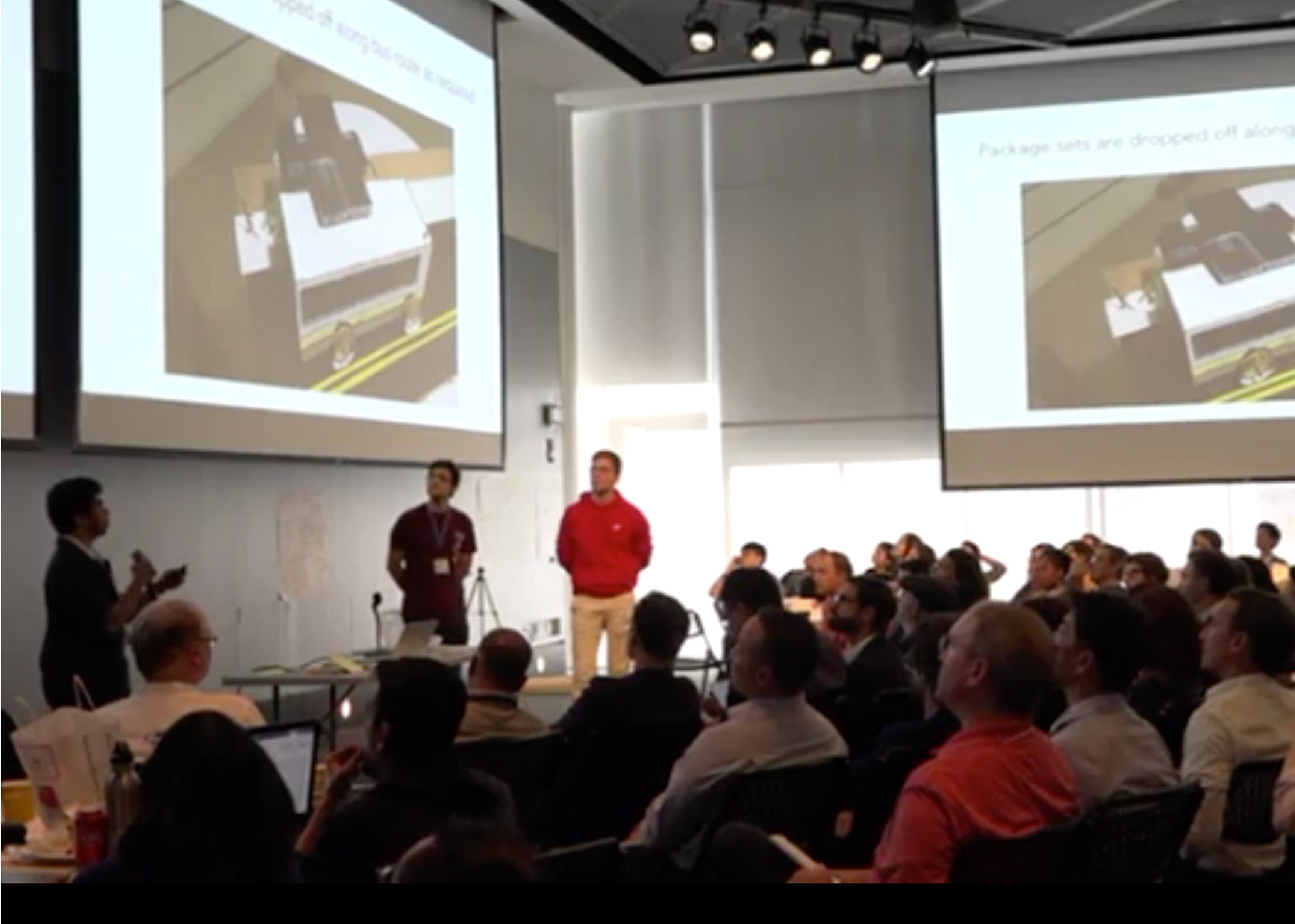
Steffen and I presenting our work at the finals