Role
Project showcased at Polling Place, an alumni exhibition at the School of the Art Institute of Chicago (SAIC)
Collaborators
Aimee Martinez
Being able to submit your vote digitally is going to be the next big thing in how governments are chosen. However, we felt that this kind of digitally powered election system does not take full advantage of the system being digital.
Aimee and I were invited by our alma mater, the School of the Art Institute of Chicago, to design an exhibition piece on the subject of ballots.
We used this opportunity to talk with people and understand problems which they had faced in the past regarding ballots and the politics surrounding it. The two of us had our own unique experiences on how elections are held in India, in the United States, and in Mexico. In addition to the insights that we gathered from interviews, we were able to draw from our own experiences to imagine a new way to democratically form governments while leveraging digital systems uniquely.
We decided to focus on minorities and people of color, and recruited 3 participants to conduct interviews with. We were interested in hearing the experiences of minorities and people of color because their voice in often not heard and needs are not given importance.
Solving problems which they face gave us the opportunity to design better systems for everyone.
" I binge on a lot of videos online, and I keep getting all these campaign ads on social media as well...I think every movie has a political agenda...feel like they are trying to make us vote a certain way "
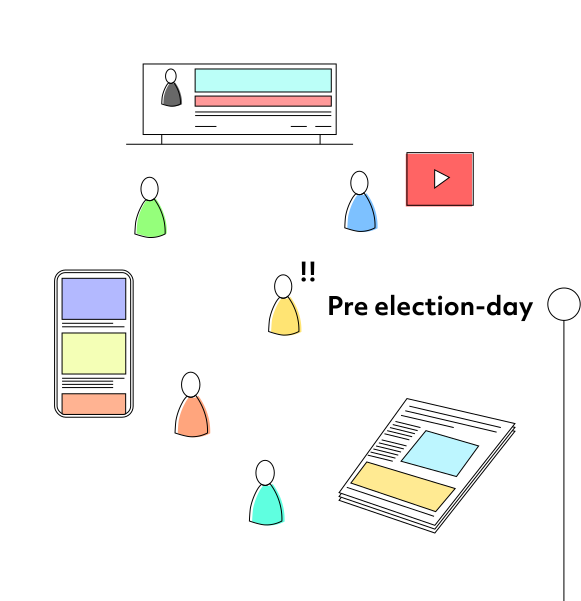
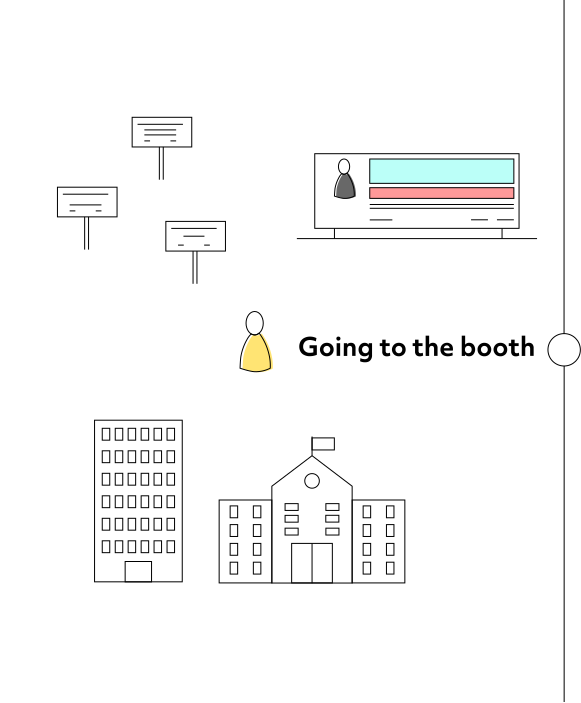
“ I usually find what local candidates are promising on election day, there are so many small signs telling you about the promises on the way to the voting booth ”
“ I had to drive all the way back from my school to my daughter’s school to vote. We can send a letter to the officials telling them that we want to vote somewhere else, but it needs to be done long before election day ”
“ I used to read about what the local candidates were promising and then cast my vote, but now I just vote for one party...because everyone I know is voting for that party ”
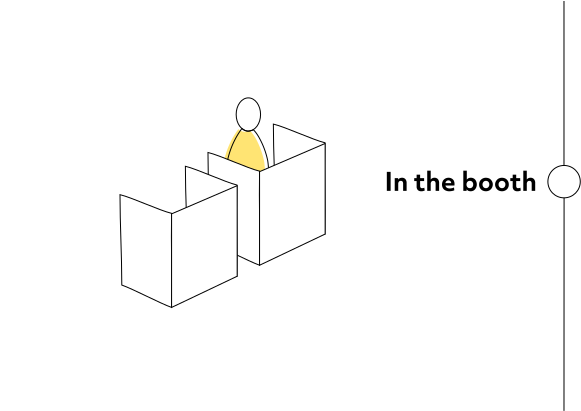
“ I changed my decision when I reached the booth, I was unsure about one candidate but definitely did not want the other to win ”
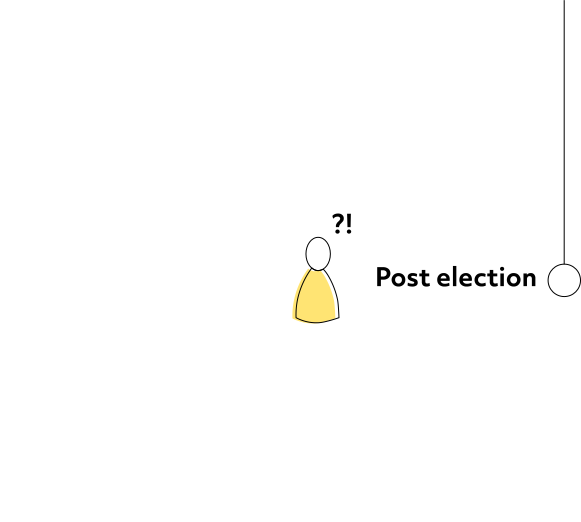
“ The most we can do is write a letter or send an email to someone, maybe the local official, but I don’t know if they will even care or if something will be done ”
We identified six big challenges which the voters we interviewed face-
Lacking an efficient way to tell candidates about issues which they think need to be addressed
Travelling long distances to cast their vote, many people don’t vote a result.
Lacking clarity about how elections, governance and voting works
Feeling like they are being made to choose between two bad options
Agreeing with only some promises, but feel like they are voting for all of them.
Voting for a specific party without knowing what their specific promises are
Our ideation phase was divided into two activities. During the first, we broke down the assumptions that we personally had and our interviewees had about voting and the election system by imagining how the problems may be solved if those assumptions weren't true. We did this using 'how might we' questions. The second activity was about imagining how unique business models might solve a few of the problems.
Here are a few solutions that made the final cut-
'Build A Candidate' like 'Build A Bear'
Use security cameras to vote from anywhere, wave signs at cameras
Independent task force to look into every candidates background and publish what every candidate is like befiore they start campaign
App linked to social media posts (images/videos expressing issues viewer is interested in) that directs viewers to voting site "vote now" links
Pick & choose from individual candidates
Calculate how initiatives affect individuals
Vote from anywhere
Voting open 24/7 for a week or month
Compare candidates on voters' customized list of issues
Text a number or app to vote
Free classes or kiosks on the street all year round to answer people's questions about the government
Memes to teach about voting
Using some of these, we imagined a new voter experience. The idea was a proposal-focussed, week-long voting exercise that would help create a collaborative, outcome driven government.
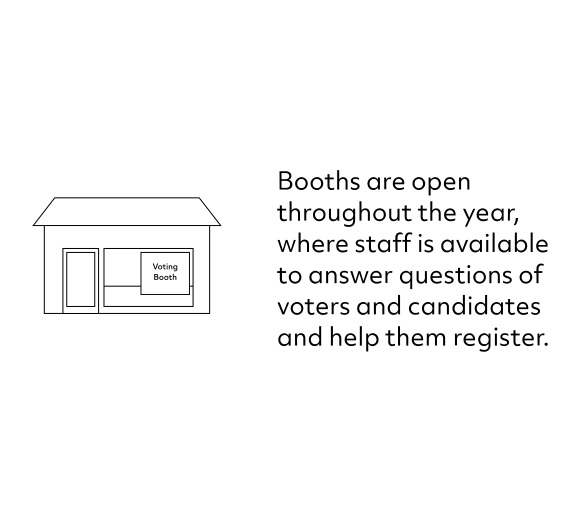
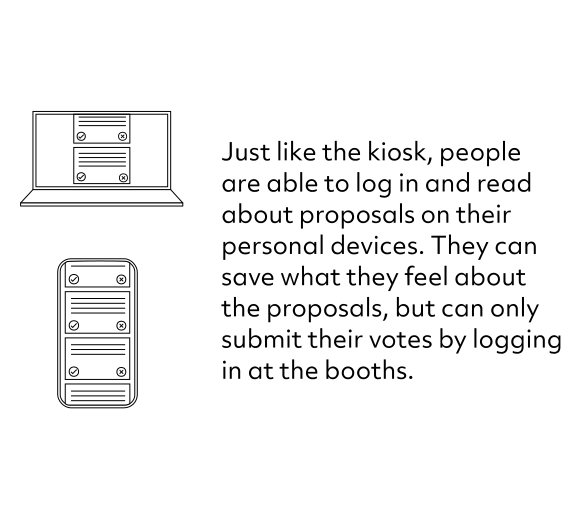
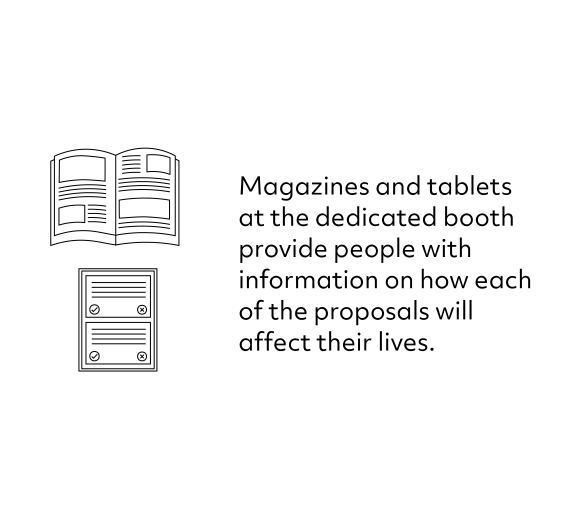

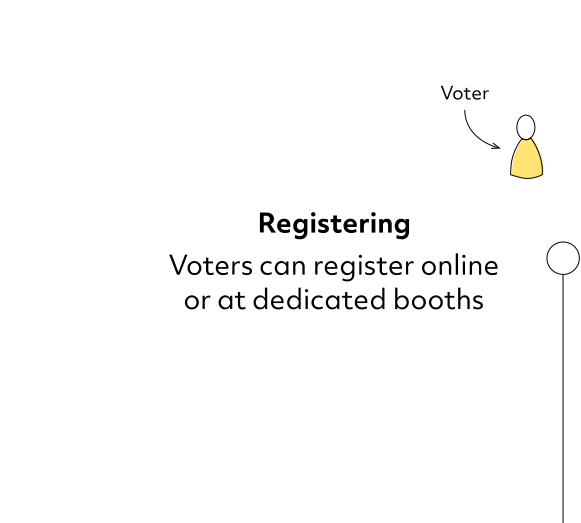
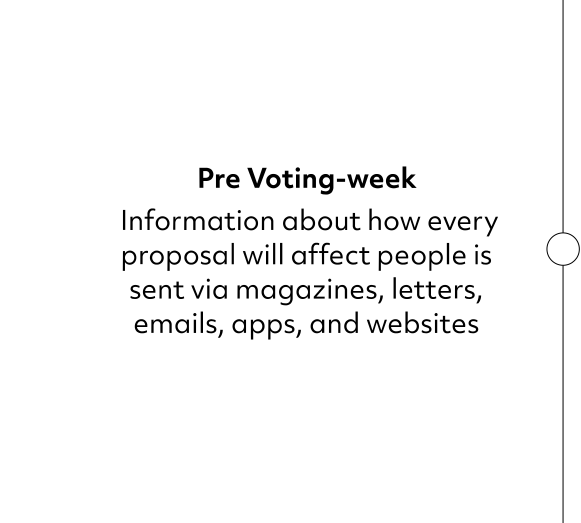
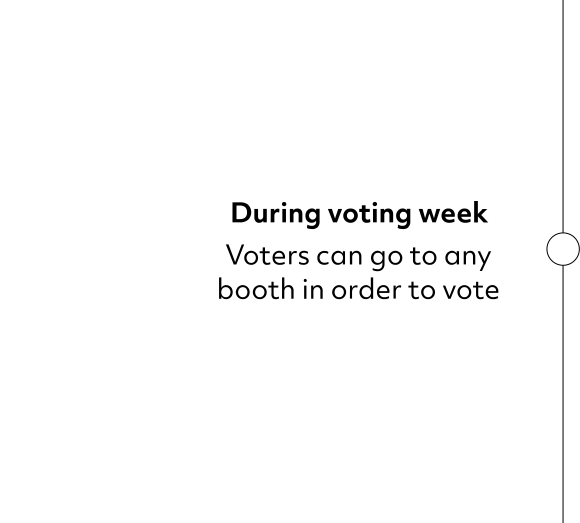
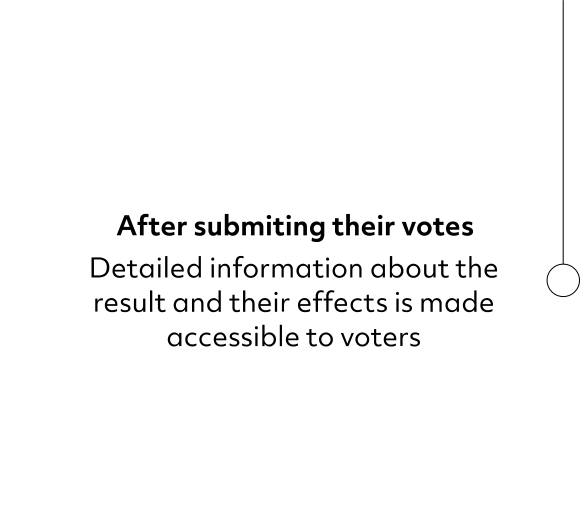
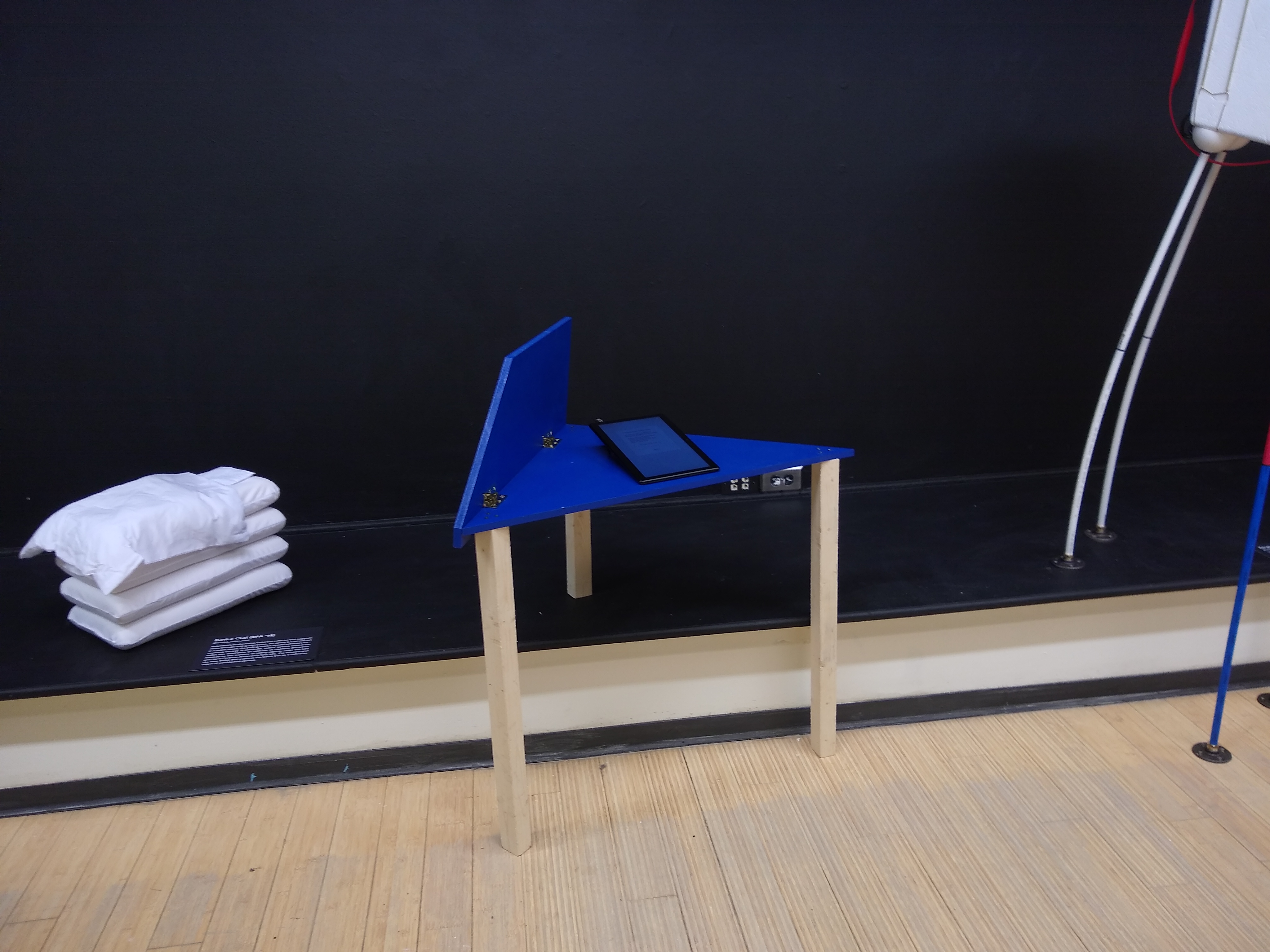
Since our work was for an exhibition at SAIC, we made the prototypes interactive and used the exhibition space as a means of testing the concept.
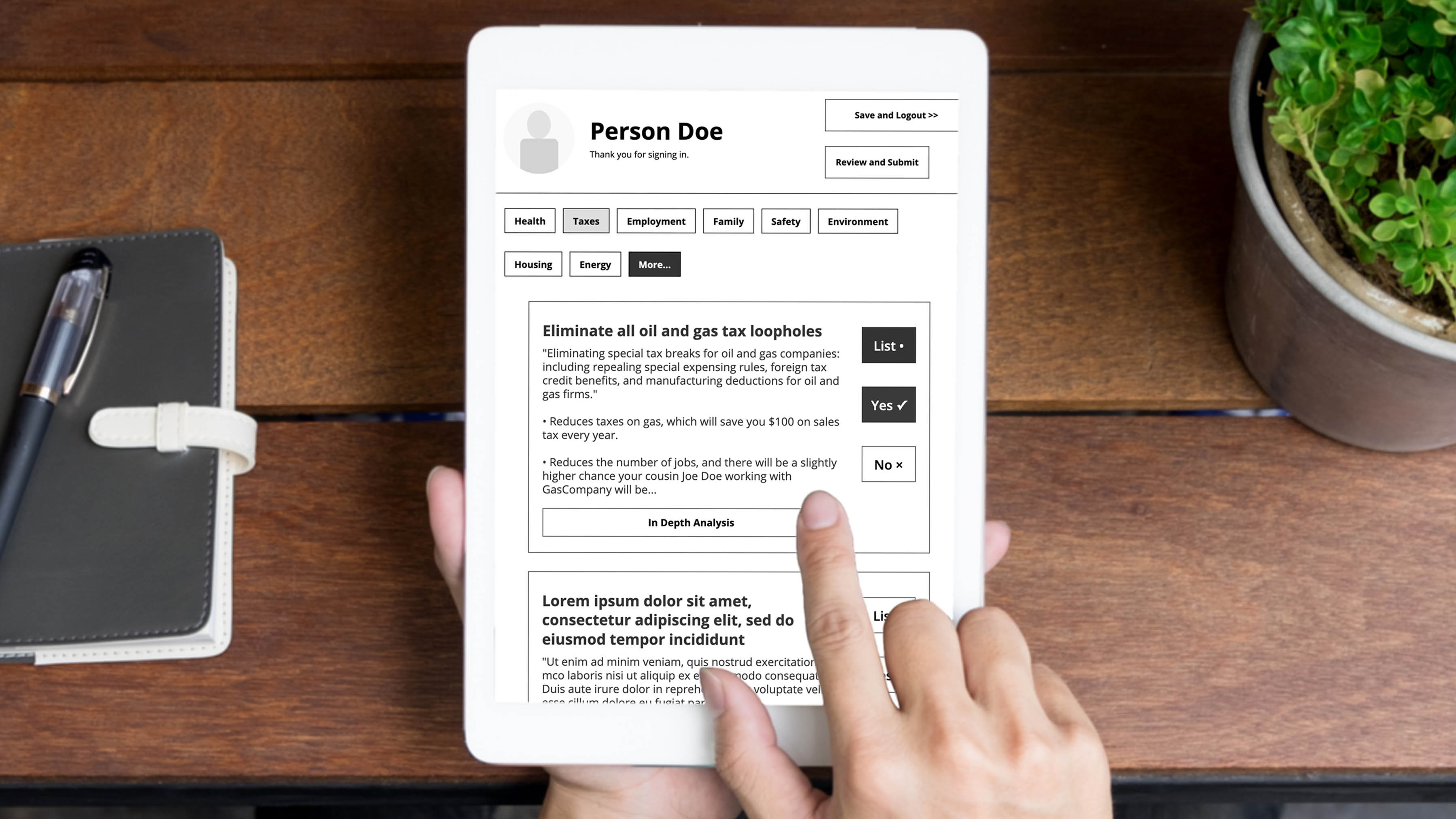
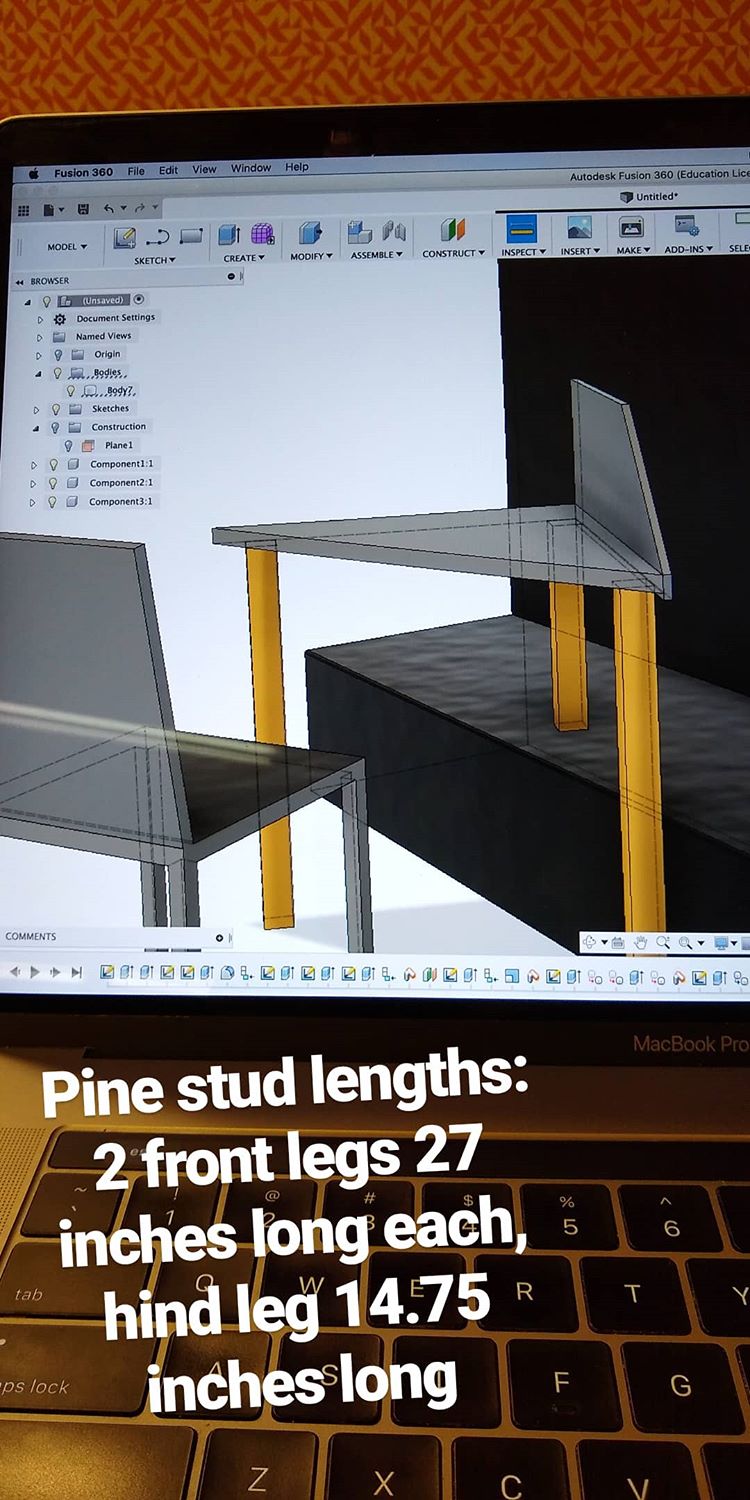
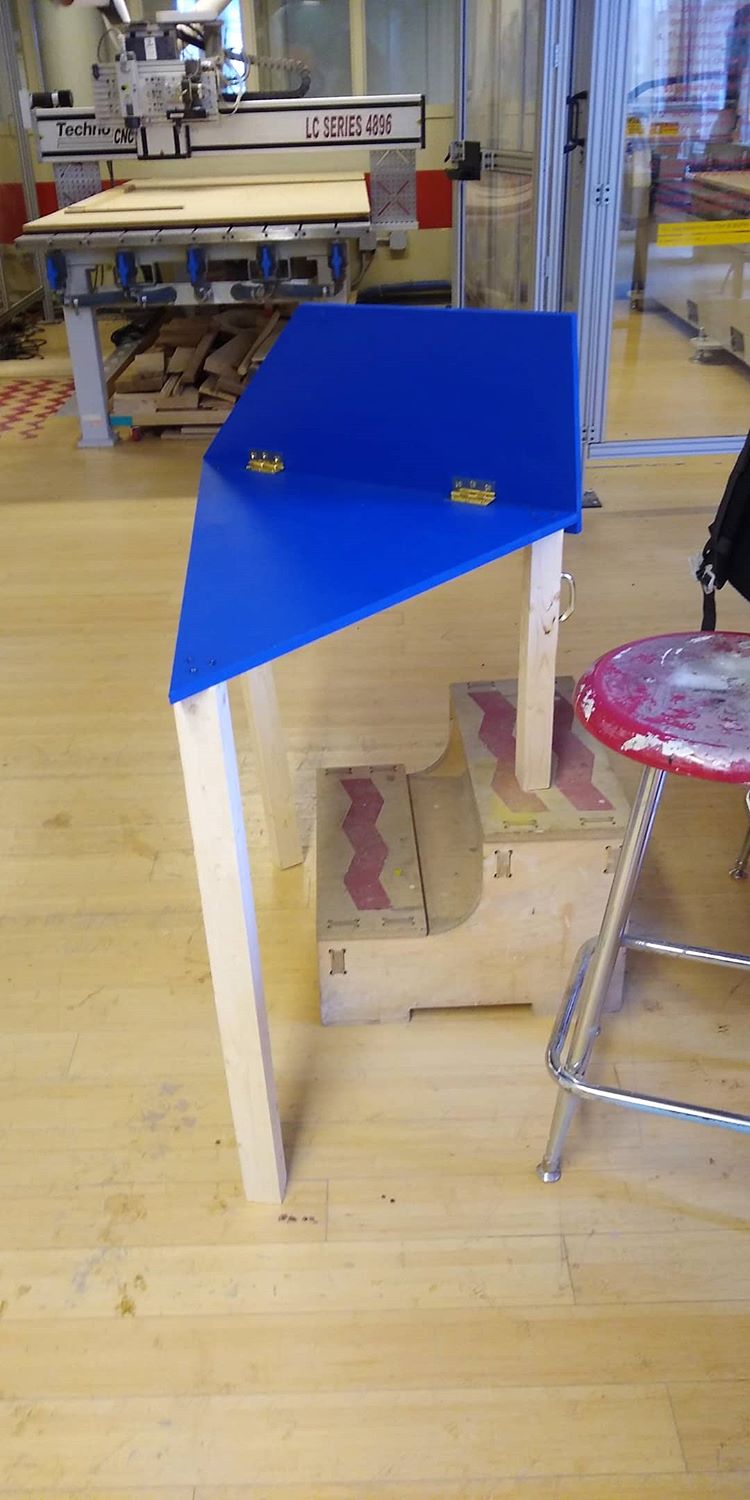
Our deliverables for the exhibition had to relate to the voting booth. As a result, we prototyped a kiosk at the dedicated booth, which would include a digital tablet and a table to sit, relax, and read about proposals on.
Here's an interactive wireframe (currently available only on desktops, sorry) of the booth kiosk. The prototype fidelity was intentionally semi-wireframe-ey to help people understand the overall concept but still be simple enough for exhibition visitors to discuss and improve the new political system that this prototype represents.